A butterfly is an insect that undergoes a profound transformation, symbolizing change, growth, and beauty. The life cycle of a butterfly, from egg to larva (caterpillar), pupa (chrysalis), and finally to the adult butterfly, is often seen as a metaphor for personal metamorphosis and spiritual evolution.
The butterfly’s vibrant colors and graceful flight have made it a universal symbol of joy, freedom, and the fleeting nature of life. In various cultures, it is associated with resurrection, endurance, and the soul’s journey. The transformative process of a caterpillar turning into a butterfly is frequently linked to personal development, renewal, and positive change.
In many artistic and literary works, butterflies are portrayed as symbols of hope and inspiration. Their ephemeral existence serves as a reminder to embrace the transient beauty of life and appreciate the opportunities for growth and renewal that come with change.
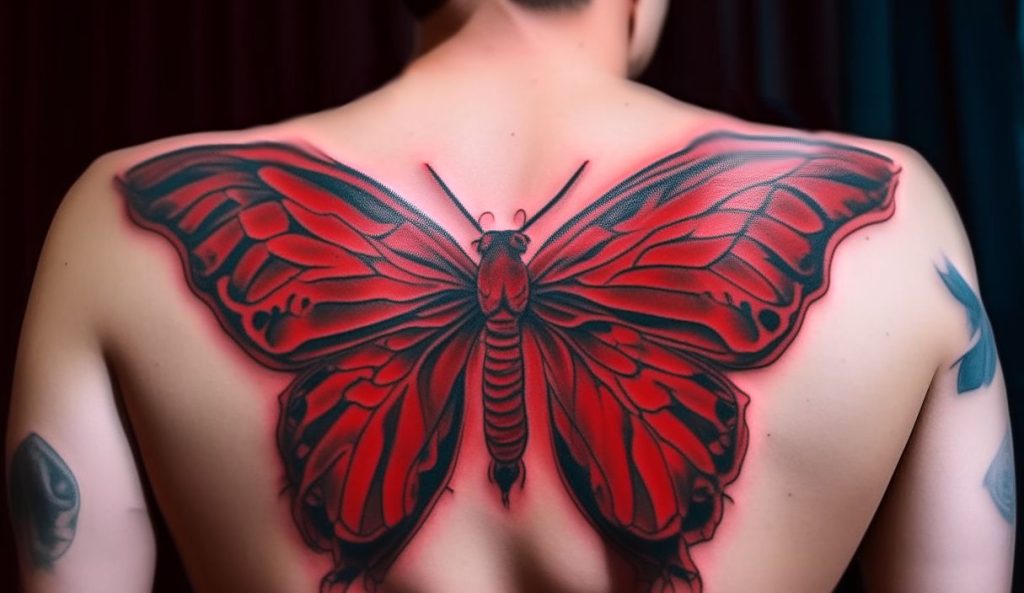
What is the most beautiful butterfly in the world
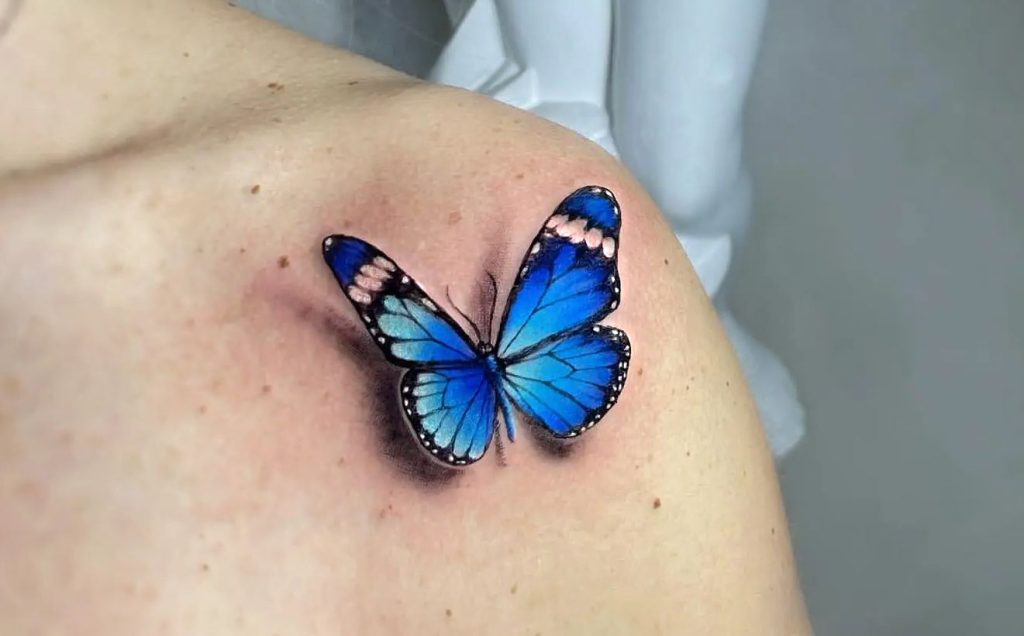
One of the widely acclaimed contenders for the title of the world’s most beautiful butterfly is the Morpho butterfly, particularly the Morpho rhetenor helena species. Native to South America, these butterflies are renowned for their mesmerizing iridescent blue wings. The vivid, metallic sheen on their wings is not a result of pigments but rather the microscopic scales that refract light, creating an ethereal, shimmering effect.
The Morpho butterfly’s striking appearance has captured the fascination of many, making it a sought-after subject in butterfly gardens and among collectors. Beyond its stunning visual appeal, the Morpho butterfly holds cultural significance in indigenous South American folklore, where it is often associated with magic and transformation.
What butterfly is the rarest
One of the rarest butterflies in the world is the Queen Alexandra’s Birdwing (Ornithoptera alexandrae). Native to Papua New Guinea, this extraordinary butterfly holds the title of being the largest butterfly species, with females boasting a wingspan of up to a foot. The Queen Alexandra’s Birdwing is known for its stunning iridescent blue-green wings and vibrant markings.
Conservation efforts are crucial for the survival of this rare species, as its habitat faces threats such as deforestation. Due to its limited distribution and specific requirements for survival, the Queen Alexandra’s Birdwing is considered extremely rare, making conservation initiatives vital for its continued existence.
How many species of butterflies are there?
Estimates of the total number of butterfly species worldwide vary, but it is generally accepted that there are around 18,000 to 20,000 known species. However, researchers believe that the actual number of butterfly species could be higher, as some regions, particularly in tropical areas, remain relatively unexplored. The classification and discovery of new species are ongoing processes, and advancements in research and exploration may contribute to a more accurate count of butterfly species in the future.
How long do butterflies live
The lifespan of butterflies varies significantly among species, and their life cycle consists of distinct stages. On average, the adult life of a butterfly typically ranges from a few days to a few weeks, depending on the species.
Some of the smallest butterflies, like the Western Pygmy Blue, have a very short adult lifespan, often living only a few days. Larger species, such as the Monarch butterfly, can live for several weeks.
The lifespan of a butterfly is influenced by factors such as environmental conditions, predators, and the specific species. Certain species, like the Mourning Cloak, are known for their ability to hibernate, allowing them to extend their lifespan significantly.
In contrast, the entire life cycle of a butterfly, from egg to caterpillar, pupa, and finally to an adult, can span from a few weeks to several months, depending on the species. Overall, the diverse world of butterflies showcases a range of lifespans, with some living just long enough to complete their reproductive cycle, while others endure for a more extended period.